Posts about:

Insurance Automation

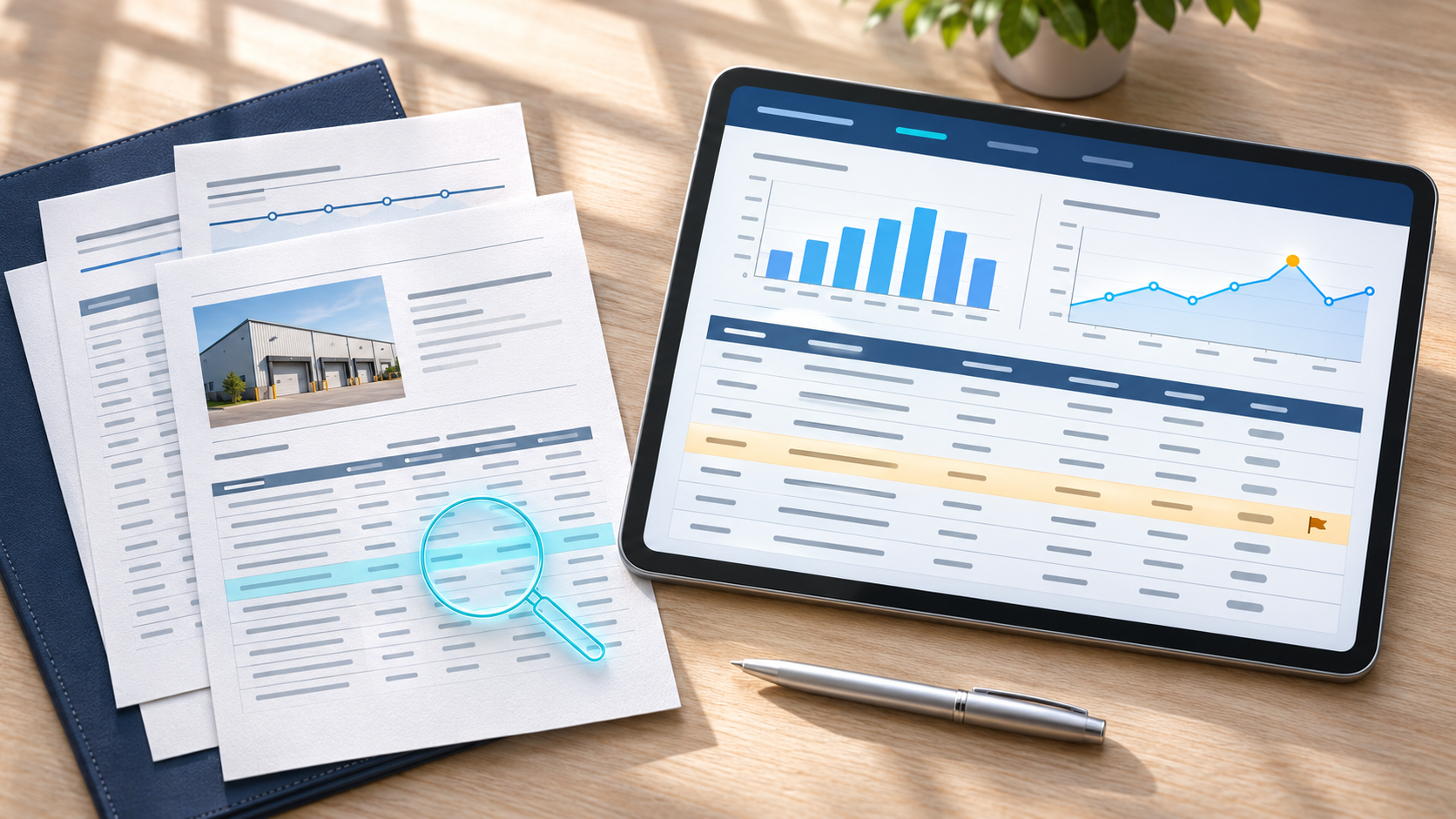
Can AI Interpret Loss Runs? Yes, With Guardrails

A loss run can look straightforward until an underwriter needs to use it. One carrier's report may list claims in a clean table. Another may split open reserves across pages, abbreviate cause codes, bury valuation dates in a header, or attach narratives that change the apparent severity of a loss. That is why the question is not merely, “can AI interpret loss runs?” It is whether the technology can turn inconsistent loss history into trustworthy underwriting information without removing the judgment required to price and select risk.
Read More

Underwriting Rules Versus AI in Commercial Lines

A submission arrives with an ACORD application, three supplemental forms, a spreadsheet of locations, two years of loss runs, and an email that changes a key exposure detail. The underwriting question is not whether the team needs rules or AI. It is how to turn that fragmented package into a decision-ready submission without losing control of appetite, authority, or auditability.

Read More

How to Route Insurance Submissions Better

A submission arrives with an ACORD application, three loss-run PDFs, a spreadsheet of locations, and an email asking for a quote by Friday. The question is not simply who should receive it next. Knowing how to route insurance submissions means determining whether the risk is complete, eligible, marketable, and ready for the right person or system to act on it. Get that decision wrong, and valuable underwriting time disappears into rework, declined risks, and missed opportunities.

Read More

What Is Structured Insurance Data, Really?

A commercial submission rarely arrives as one clean record. It arrives as an ACORD form, a supplemental PDF, a spreadsheet of locations, an email from the producer, and perhaps five years of loss runs. The question, what is structured insurance data, matters because underwriting teams cannot efficiently assess risk, quote coverage, or move a submission forward when critical facts are scattered across those sources.

Read More

Top Loss History Review Methods for Commercial Underwriters

A loss run can look complete and still leave an underwriter with the wrong picture of risk. Carrier formats differ, valuation dates vary, claim descriptions are thin, and the most meaningful change may be buried in a spreadsheet or an emailed update. The top loss history review methods bring structure to that uncertainty: validate the source, normalize the data, investigate the claims that matter, and document the decision path.

Read More

Insurance OCR Comparison That Fits Underwriting

A useful insurance OCR comparison starts where commercial insurance work actually starts: with a mixed submission package in an inbox. An ACORD application may be complete, a supplemental may hold the exposure details an underwriter needs, a spreadsheet may contain location schedules, and loss runs may arrive as scanned PDFs. Reading text from each file is only the first task. The real test is whether the technology turns that information into data people can review, use, and move through an existing workflow.

Read More

What Delays Commercial Underwriting Most?

A commercial submission can arrive looking complete: an ACORD application, a few supplemental forms, loss runs, a statement of values, and an email that says coverage is needed by Friday. Yet the underwriter may still spend days waiting, sorting, validating, or asking for information that should have been available from the start.

Read More

How to Standardize Insurance Renewal Data

Renewal teams lose time long before a carrier makes a pricing or appetite decision. The renewal arrives as last year's ACORD forms, a revised schedule of values, three loss-run PDFs, an email with new locations, and a spreadsheet that uses different names for the same insured. To standardize insurance renewal data is to turn that fragmented package into one reliable view of the risk - early enough for producers, account managers, and underwriters to act on it.

Read More

AI Underwriting Automation That Moves Work Forward

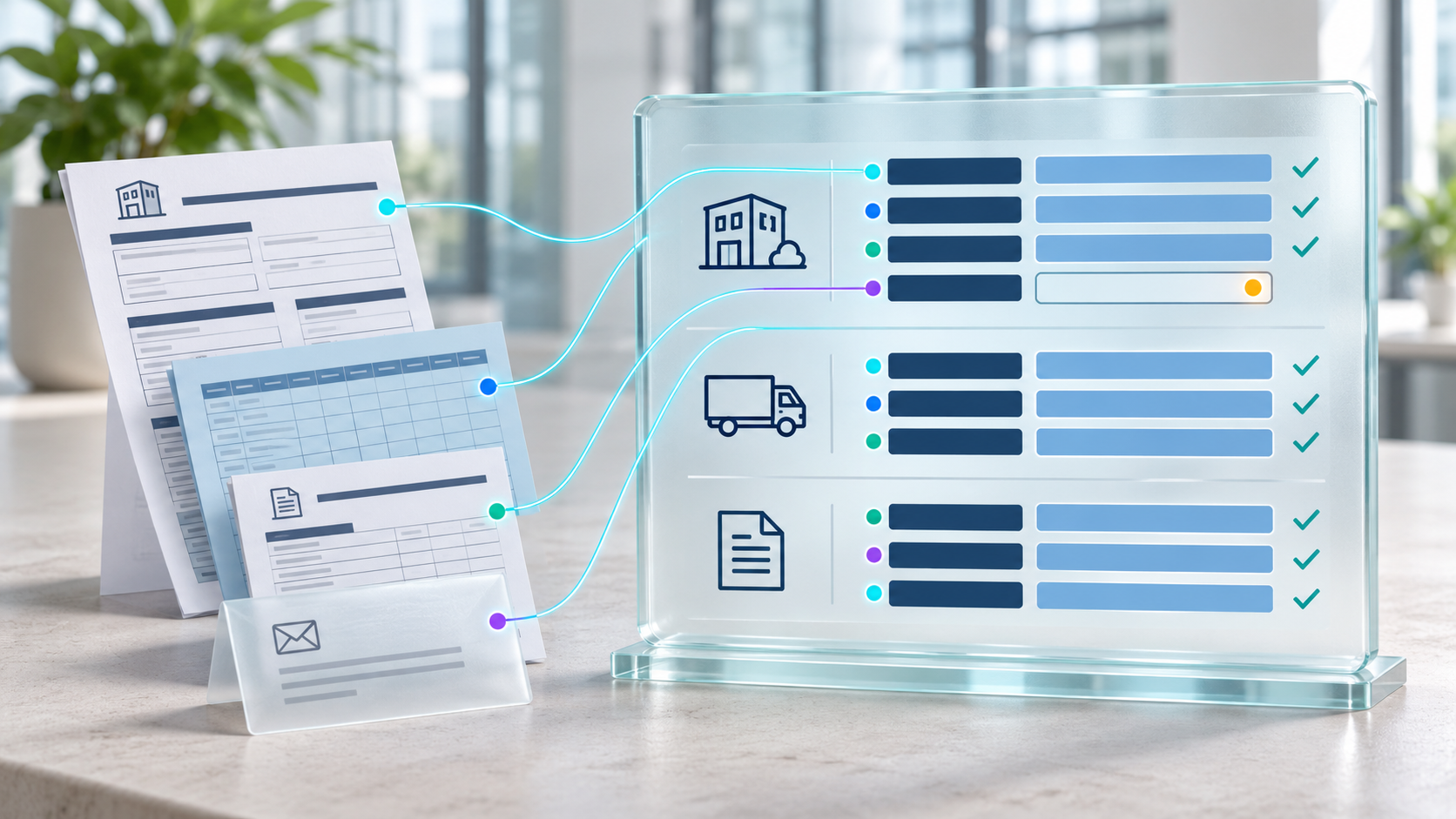
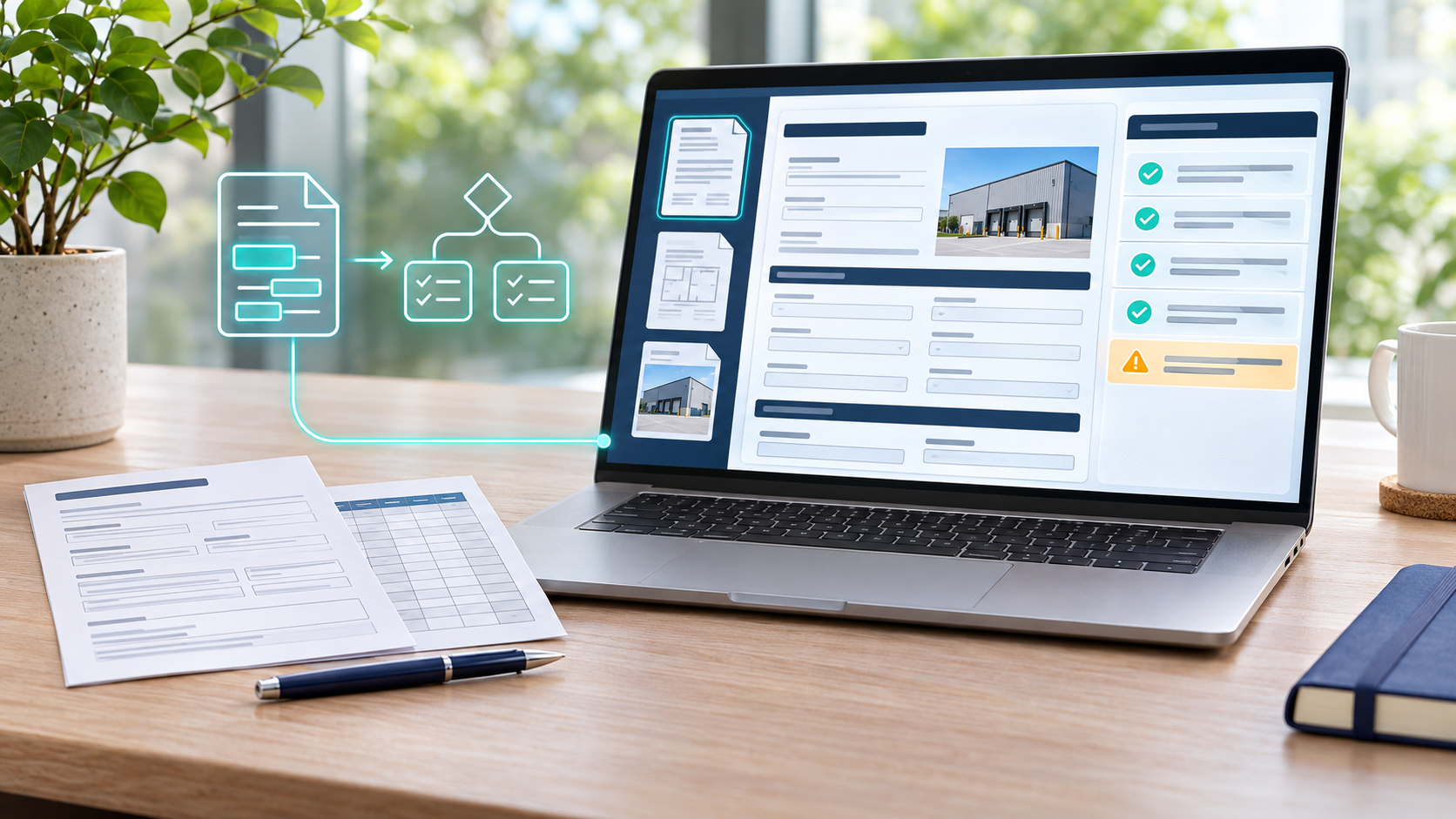
A commercial submission rarely arrives as one clean, complete record. It arrives as an ACORD application, a spreadsheet with location data, loss runs in a scanned PDF, a supplemental questionnaire, and an email that changes a key exposure detail. AI underwriting automation gives teams a practical way to turn that fragmented package into organized information that can be reviewed, enriched, routed, and acted on without rekeying the same data across systems.

Read More

Top Insurance Validation Tools: What Actually Works

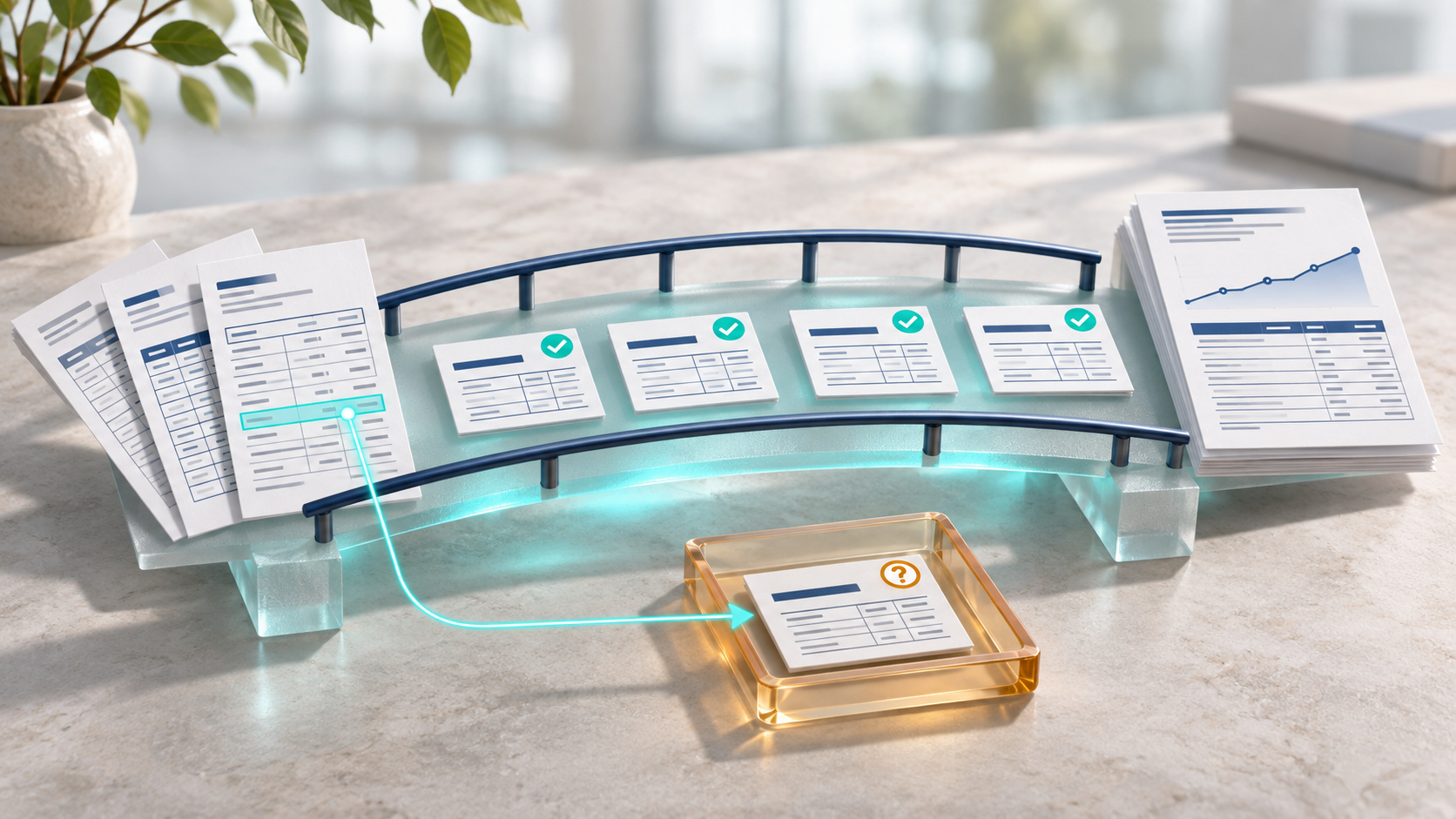
A commercial submission can look complete at 9:00 a.m. and still force three rounds of follow-up before it reaches an underwriter. A required location schedule is missing. Payroll on the supplemental application conflicts with the ACORD. Loss runs are outdated. The named insured is entered differently in three documents. These are not minor administrative issues. They determine whether a team can quote quickly, route accurately, and protect underwriter time for actual risk decisions.

Read More